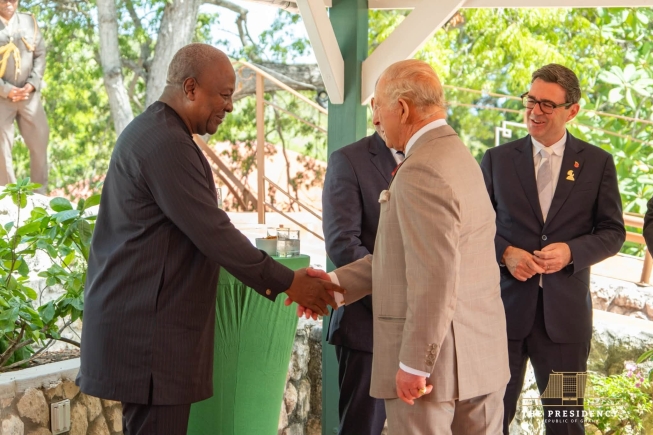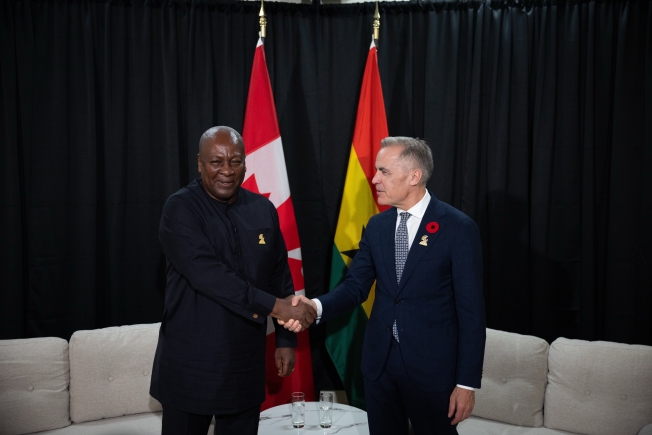
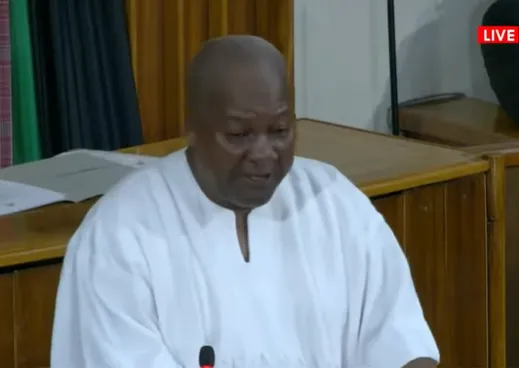
President John Mahama has declared that repatriation for people of African descent is a fundamental right rather than an act of charity, calling on African countries to establish legal pathways for members of the global African family to return and settle on the continent.
Addressing the Jamaican Parliament on Tuesday, August 4, during his State Visit to the Caribbean nation, President Mahama said the right of return should be recognised across Africa as part of efforts to reconnect the continent with its diaspora.
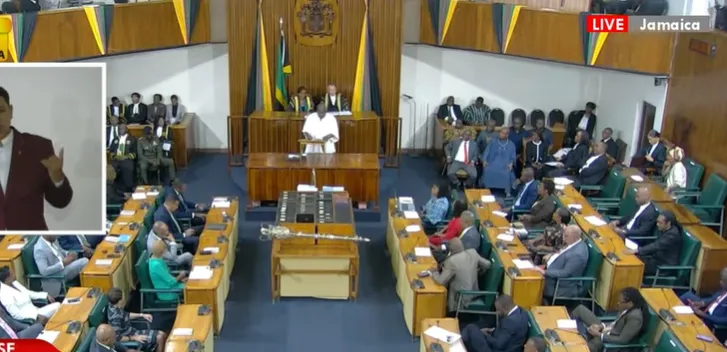
“The rights of persons of African descent in the diaspora to return to the mother continent is not an act of charity or compassion. Repatriation is not an act of kindness,” he said.
“Repatriation is a right of all persons of African descent to return to the mother continent and settle or reside if they wish.”
In light of this, the King of England, King Charles III, has openly acknowledged that the transatlantic slave trade was a shameful chapter in human history that continues to cast a shadow over Caribbean nations and the Commonwealth.
The Monarch made this pronouncement while speaking at the 28th Commonwealth Heads of Government Meeting (CHOGM) in Antigua and Barbuda.
President Mahama highlighted Ghana's efforts to facilitate the return of the African diaspora, noting that the country enacted the Right of Abode Act in 2000 to allow eligible persons of African descent to live permanently in Ghana.
He added that the government is also considering a new Homeland Return Bill, which will establish clearer legal pathways for residence and citizenship for members of the global African family seeking to reconnect with their ancestral homeland.
According to the President, the proposed legislation forms part of Ghana's broader commitment to strengthening ties with Africans in the diaspora.
President Mahama also revealed that he intends to champion the right of return across the continent if elected Chairperson of the African Union.
“This is one of the articles of the manifesto I wish to push when I become the AU Chairman, that all African nations must have a right of return for all members of the global African family,” he said.
The King Charles III acknowledgement
The of England, King Charles III, Head of the Commonwealth, has however openly acknowledged that the transatlantic slave trade was a shameful chapter in human history that continues to cast a shadow over Caribbean nations and the Commonwealth.
Expressing personal sorrow over the horrors and grave abuses of the transatlantic slave trade, the King expressed his commitment to working with Commonwealth nations to address the lasting consequences of those injustices.
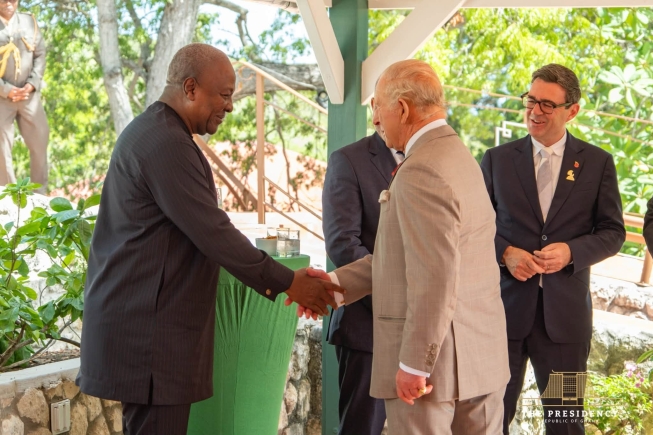
The monarch was speaking at the 28th Commonwealth Heads of Government Meeting (CHOGM) in Antigua and Barbuda.
He made the acknowledgement on the back President Mahama’s call on the world to declare the historic transatlantic slave trade as the world’s gravest crime on humanity.
The King of England further intimated that, he and other world leaders cannot change the actions of those who came before them, but was quick to add that, they can however learn from the past.
“History is not ours to choose or change. We cannot change the actions of those who came before us. We can, however, learn from the past,” he underscores.
His remarks came in response to growing demands for reparatory justice, but he stopped short of issuing a formal apology.
The King’s remarks follow a statement by UK Prime Minister Andy Burnham, before the Commonwealth meeting, signaling Britain’s readiness to consider a formal state apology and the need to engage in honest dialogue and stop “sticking our heads in the sand” regarding its past involvement in human trafficking.
The debate over reparations remains a significant issue surrounding this year’s Commonwealth summit, with Caribbean governments and advocacy groups calling for recognition, accountability, and concrete measures to address the socioeconomic effects of slaver.